
Leading Products For Fixing Vinyl Siding Holes Effectively
Choose from top-rated repair options that ensure a seamless blend and durable fix for your vinyl siding issues.
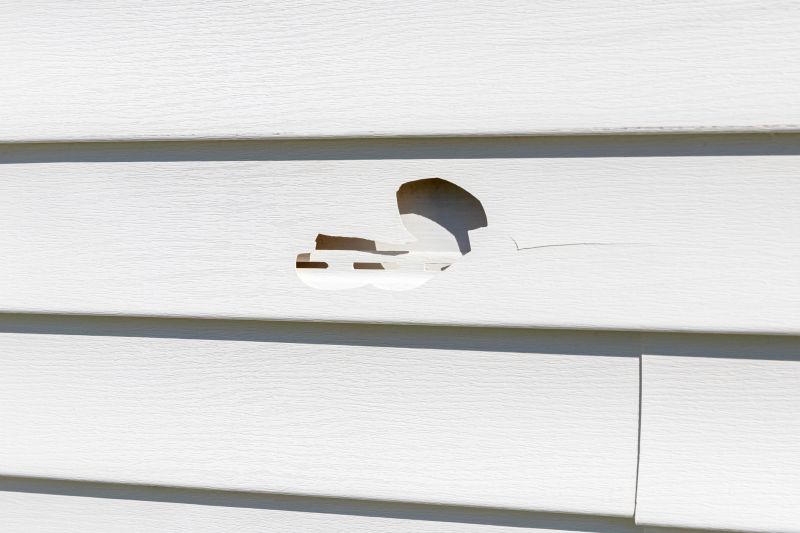 Vinyl siding is a popular choice for residential exteriors due to its durability, low maintenance, and aesthetic appeal. However, like all building materials, it can be susceptible to damage from impacts, weather, or aging, resulting in holes or cracks that may compromise its appearance and function. Repairing these imperfections effectively is essential to maintain the integrity of the siding and prevent further issues such as water infiltration or pest intrusion.
Top Overall Option
Flexible Vinyl Siding Repair Sealant
A versatile repair sealant designed for quick application on various sizes of holes and cracks in vinyl siding. Its flexible formulation allows it to move with the siding, reducing the risk of cracking or peeling over time. Easy to apply with a caulking gun, it provides a clean, weather-resistant seal that blends well with existing siding when properly finished. Suitable for both small repairs and larger patches, this product offers a convenient solution for homeowners seeking a durable, low-maintenance fix.
Types of Products For Vinyl Siding Hole Repairs
Vinyl Siding Patch Kits
Pre-cut patches and adhesive kits designed for quick repairs of small holes and cracks, often including matching colors or paintable surfaces.
Repair Sealants and Caulks
Flexible, weatherproof sealants that can be applied directly into holes or cracks to provide a seamless, waterproof repair.
Vinyl Siding Replacement Panels
Full or partial siding panels that can be installed to replace damaged sections, ideal for larger or more noticeable damage.
Epoxy and Resin Fillers
Heavy-duty fillers used to fill larger holes and cracks, often requiring sanding and painting afterward for a smooth finish.
Color-Matched Repair Compounds
Specialized compounds available in various shades to match common siding colors, ensuring a more seamless repair.
Heat-Activated Repair Patches
Patches that adhere when heated, providing a strong bond for larger or more stubborn damage areas.
Self-Adhesive Vinyl Patches
Pre-cut patches with adhesive backing for easy application, suitable for minor damage.
Flexible Repair Tape
Weather-resistant tape designed for temporary or semi-permanent fixes on siding surfaces.
Siding Repair Clips and Fasteners
Metal or plastic clips used to reattach loose or partially detached siding panels.
Paintable Repair Putty
Putty-like substances that can be shaped into holes or cracks and painted over for a seamless finish.
Popular Choices
Convenient kits with pre-cut patches and adhesives for quick small repairs, widely used for minor damages.
A popular choice for sealing small holes and cracks with a flexible, weatherproof formula.
Available in various shades to help blend repairs with existing siding colors.
Easy-to-apply patches suitable for minor damage, offering a quick fix.
Heavy-duty fillers used for larger holes, often requiring finishing with sanding and painting.
Effective for larger damaged areas, adhering when heated for a strong bond.
Temporary or semi-permanent tape solutions for quick fixes in adverse weather conditions.
For extensive damage, replacing entire sections or panels can restore the siding's appearance.
Flexible caulks designed to fill and seal small to medium-sized holes effectively.
Shaped into holes or cracks and painted over for a seamless repair.
Used to reattach or stabilize loose siding panels, especially in larger repairs.
Weather-resistant tape for quick, temporary fixes on damaged siding.
Strong fillers suitable for filling larger holes with a durable finish.
Sealants available in various shades to blend repairs seamlessly.
Adhesives formulated for bonding siding pieces or patches securely.
A variety of products are available to address vinyl siding holes, ranging from simple patch kits to more advanced repair compounds. Selecting the right product depends on the size and location of the damage, as well as the desired finish. For small holes, adhesive patches and sealants can provide quick and discreet fixes, while larger damages might require more comprehensive solutions such as replacement panels or specialized repair compounds.
When choosing repair products, it is important to consider ease of application, compatibility with existing siding, and the ability to blend seamlessly with the surrounding material. Proper preparation, including cleaning and drying the damaged area, enhances the effectiveness of the repair. Additionally, some products offer flexibility to accommodate siding expansion and contraction, which helps maintain a long-lasting repair.
Maintaining the visual consistency of your vinyl siding after a repair can be challenging, especially if the color or texture differs from the original material. Many repair products are designed to be paintable or come in a variety of shades to match common siding colors. Investing in high-quality repair materials can ensure a more durable and aesthetically pleasing result, extending the lifespan of your siding and preserving your home's curb appeal.
Key Buying Considerations
- Size and extent of the damage to determine the appropriate product type.
- Compatibility of the repair product with existing vinyl siding material and color.
- Ease of application, especially for DIY repairs—look for user-friendly options.
- Weather resistance and durability of the repair product to withstand outdoor conditions.
- Flexibility of the repair material to accommodate siding expansion and contraction.
- Finish options—whether the product can be painted or blended seamlessly with existing siding.
- Size of the repair kit or quantity needed for your specific repair project.
- Type of damage—small holes, large cracks, or panel replacement—guiding product choice.
- Brand reputation and reviews to assess reliability and effectiveness.
- Cost considerations balanced with quality and longevity of the repair.
- Availability of matching colors or paintable options for aesthetic consistency.
- Compatibility with other repair tools or accessories you may need.
- Time required for curing or drying before the repair is fully functional.
- Potential need for additional preparation like cleaning or priming before application.
- Environmental conditions during repair—avoid extremely humid or cold weather for best results.